If you are sourcing medical scrubs for a hospital, a clinic chain or your own uniform brand, the fabric decides more than anything else how the garment feels, how long it lasts and what it costs. Names like “TC”, “CVC spandex” or “TR spandex” appear in every supplier quote, but they are rarely explained.
This guide covers the five fabric families used most often in scrubs today: what each one is good at, where it falls short, and how to choose the right one for your buyers.
1. TC (polyester / cotton)
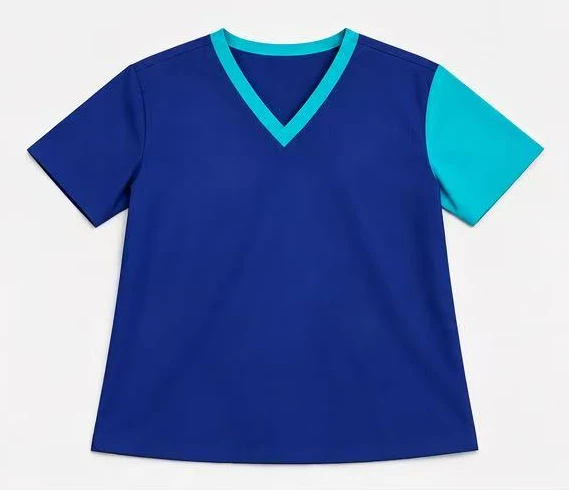
What it is: a blend of polyester and cotton, most often 65% polyester and 35% cotton. “TC” stands for Terylene/Cotton.
Strengths: very durable and holds up to frequent industrial washing; resists wrinkles and shrinkage; keeps its color well; the most budget-friendly option.
Weaknesses: no stretch, so the fit is looser and more traditional, and the hand feel is firmer than stretch fabrics.
Best for: hospitals and large institutions that buy in volume, launder centrally and care most about cost and durability. Also a good choice for warm-up jackets and drawstring pants.
2. CVC spandex
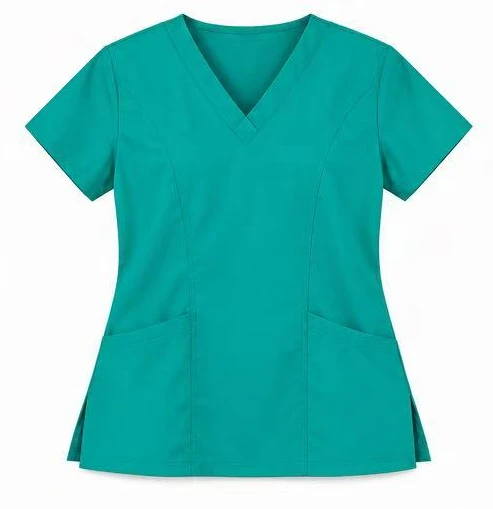
What it is: CVC means Chief Value Cotton, a blend in which cotton is the main fiber (usually over 50%), with polyester and a small amount of spandex for stretch.
Strengths: softer and more breathable thanks to the higher cotton content; comfortable through long shifts in warm rooms; the spandex makes movement easier.
Weaknesses: wrinkles more than polyester-rich fabrics, and colors can fade a little faster over many washes.
Best for: clinics, dental offices and veterinary practices where staff value a natural, cotton-like feel.
3. TC spandex
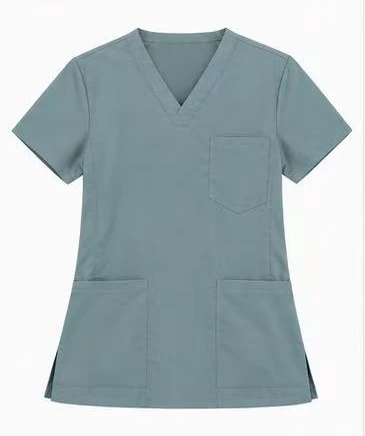
What it is: the classic polyester/cotton blend with spandex added.
Strengths: keeps the durability and easy care of TC, adds stretch for a more modern, fitted cut, and stays in the middle on price.
Best for: buyers who want to upgrade from basic TC scrubs to a better fit without a big jump in cost.
4. TR spandex (polyester / rayon / spandex)
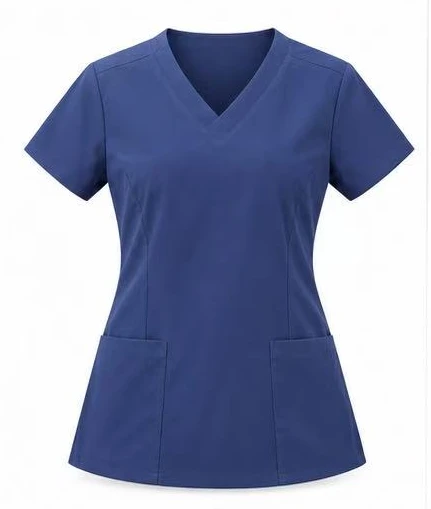
What it is: polyester blended with rayon (viscose) and spandex. This is the fabric behind many of the premium “fashion scrub” brands on the market today.
Strengths: a very soft, smooth hand feel; drapes well and looks tailored; good stretch and recovery; resists wrinkles and pilling better than cotton-rich fabrics.
Weaknesses: costs more than TC or CVC, and rayon prefers moderate washing; very hot industrial laundering is not ideal.
Best for: private-label scrub brands, online stores and healthcare workers who buy their own uniforms and care about style.
5. Polyester spandex
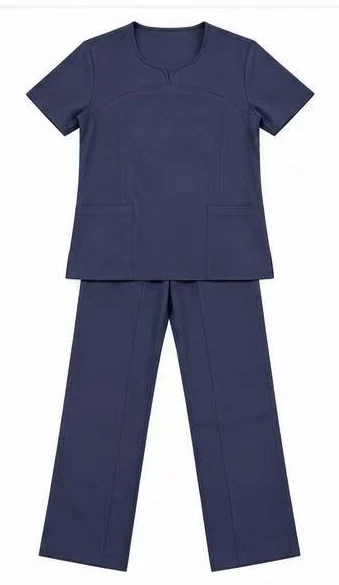
What it is: polyester with a higher share of spandex, often with four-way stretch.
Strengths: the most stretch and freedom of movement; lightweight and quick-drying; excellent color retention, so bright and printed designs stay vivid; very wrinkle resistant.
Weaknesses: less breathable than cotton blends, and some wearers find the all-synthetic feel too sporty.
Best for: athletic-style scrubs, two-tone or panel designs, and printed scrub tops.
Quick comparison
| Fabric | Softness | Stretch | Durability | Wrinkle resistance | Price |
|---|---|---|---|---|---|
| TC | Low | None | Very high | High | $ |
| CVC spandex | High | Medium | Medium | Low | $$ |
| TC spandex | Medium | Medium | High | High | $$ |
| TR spandex | Very high | High | High | High | $$$ |
| Poly spandex | High | Very high | High | Very high | $$–$$$ |
How to choose: four questions
- Who pays, and who wears it? Institutions buying for staff usually put durability and cost first (TC, TC spandex). People buying for themselves pay for comfort and style (TR spandex, poly spandex).
- How will the scrubs be washed? Central industrial laundries favor polyester-rich blends. Home washing leaves more freedom.
- What is the climate? In hot, humid regions, cotton-rich CVC spandex breathes better.
- What does the design need? Bright colors, prints and contrast panels look best on polyester spandex. A tailored, premium look works best in TR spandex.
Always ask for a sample
Fabric names describe fiber content, but weight, weave and finishing differ from mill to mill. Before a bulk order, ask your manufacturer for a sample in the exact fabric and color you plan to buy, wash it several times, and check shrinkage, color fastness and pilling yourself.